Understanding Water Color Brush Tools for Digital and Handmade Design
In the evolving landscape of digital art and handmade crafts, the water color brush has emerged as a versatile tool that bridges the gap between traditional media and modern design workflows. Whether you are a professional graphic designer creating movie posters or a hobbyist engaged in scrapbooking, understanding the capabilities and limitations of these tools is essential for making informed decisions about your creative toolkit.
A water color brush typically refers to either a physical brush designed to hold and distribute water-based pigments or, increasingly common in digital contexts, a software asset that simulates the behavior of wet paint on paper. This article explores the practical applications, benefits, and considerations of using water color brushes across various mediums, helping you determine if this resource aligns with your specific project goals.
The Versatility of Water Color Aesthetics
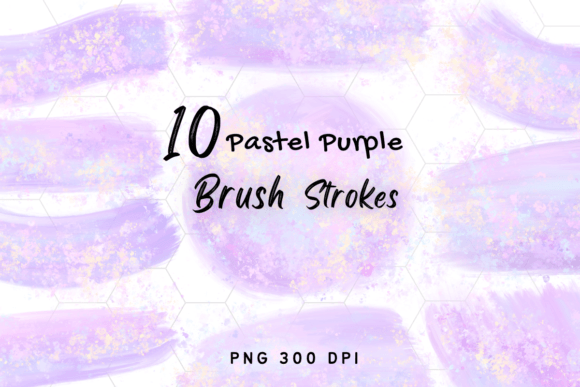
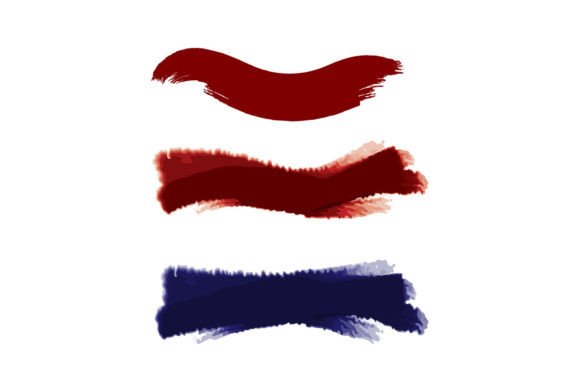
The appeal of watercolor lies in its organic, fluid nature. Unlike vector graphics or solid digital fills, watercolor textures introduce an element of unpredictability and warmth. When evaluating a water color brush set, it is important to recognize the breadth of styles it can emulate. From soft pastel washes to rough, grunge-heavy stains, these tools allow for a wide range of artistic expressions.
For those involved in scrapbooking and cardmaking, the ability to replicate realistic wet-on-wet techniques without the mess of physical paints is a significant advantage. Digital watercolor elements, often provided as high-resolution PNG files with transparent backgrounds, enable users to layer colors, create depth, and add ornate details to invitations and handmade stationery. This flexibility ensures that each project maintains a unique, handcrafted feel while benefiting from the precision of digital editing.
Applications Across Creative Industries
The utility of water color brushes extends far beyond personal hobbies. In professional settings, these assets are frequently used in branding, web design, and multimedia production. Here is how different sectors leverage these tools:
- Web and UI Design: Soft watercolor splashes and abstract strokes can break the rigidity of grid-based layouts, adding a human touch to user interfaces.
- Video and Movie Posters: The dramatic contrast of ink and water creates compelling visual metaphors. Designers use these brushes to craft atmospheric backgrounds that evoke emotion, suitable for romantic dramas or artistic indie films.
- Print Media: For greeting cards, anniversary invitations, and elegant artwork, the textured look of watercolor adds perceived value and sophistication.
When selecting a brush pack, consider the format. High-quality sets often include EPS file compositions for scalable vector graphics, alongside PNGs for immediate use in Photoshop or other raster-based programs. This dual-format approach ensures compatibility whether you are designing a large-scale poster or a small digital badge.
Evaluating Benefits and Tradeoffs
Before integrating a water color brush into your workflow, it is crucial to weigh the advantages against potential limitations. Understanding these factors will help you set realistic expectations for your projects.
Key Benefits
- Efficiency and Consistency: Digital brushes provide instant access to complex textures. Instead of mixing paints and waiting for layers to dry, you can achieve a realistic wash effect in seconds. This is particularly valuable for meeting tight deadlines in commercial design.
- Unlimited Creativity: With digital assets, you can create an unlimited pack by matching brushes with any product. You can isolate specific elements, such as leaves or ink splatters, and reuse them across multiple projects without degradation in quality.
- Non-Destructive Editing: Using layers and transparency allows for easy adjustments. If a splash of color feels too intense, you can lower the opacity or erase parts of it without ruining the underlying artwork.
Potential Tradeoffs
While convenient, digital watercolor brushes may lack the true randomness of physical media. Some users find that repeated use of the same brush tip can lead to recognizable patterns, reducing the authenticity of the piece. Additionally, achieving a truly "wet" look requires a nuanced understanding of blending modes and layering techniques in software like Photoshop. Beginners may initially struggle to replicate the natural flow of water unless they invest time in learning these technical skills.
Decision-Making Insights: Is It Right for You?
Choosing the right tool depends largely on your end goal and technical proficiency. If your primary focus is on handmade stationery and you enjoy the tactile experience of painting, a physical water color brush might be more satisfying. However, if you need scalability, speed, and the ability to edit mistakes easily, a digital solution is likely the better fit.
Consider the following scenarios when making your decision:
- Choose Digital Brushes If: You work primarily in web design, need to produce high volumes of content, or require assets that can be easily resized for different formats (e.g., from a business card to a billboard). The availability of instant download options and transparent PNGs makes integration seamless.
- Choose Traditional Methods If: You are creating one-of-a-kind original artworks where texture and physical imperfections are central to the aesthetic. Traditional watercolor offers a depth and luminosity that can be challenging to fully replicate digitally.
Technical Considerations for Optimal Results
To maximize the potential of your water color brush resources, pay attention to file types and resolution. For print projects like invitations or posters, ensure that your PNG files are at least 300 DPI to avoid pixelation. For web use, 72 DPI is sufficient, but higher resolutions allow for sharper details on retina displays.
Furthermore, explore the variety within your brush set. Look for elements that include not just broad washes, but also fine details like handwriting accents, ornate ornaments, and grunge stains. Combining these elements can create a rich, layered composition that feels both elegant and artistic. For instance, pairing a soft pastel background with a rough ink stroke can create a dynamic contrast that draws the viewer’s eye.
Conclusion
The water color brush is a powerful asset for anyone looking to infuse their work with organic beauty and artistic flair. Whether you are designing a romantic anniversary invitation, crafting a movie poster, or enhancing a digital scrapbook, these tools offer a balance of control and creativity. By understanding the strengths of digital watercolor assets—such as their versatility, ease of use, and compatibility with various design software—you can make informed choices that elevate your projects. Ultimately, the best tool is the one that helps you achieve your vision efficiently while maintaining the aesthetic quality your audience expects.